After years of silence, leaks, and datamining, Valve has finally confirmed what we’ve all suspected: they are returning to the living room. Following the massive success of the Steam Deck, Valve’s “Holy Trinity” of new hardware—the Steam Machine console, the Steam Frame VR headset, and the Steam Controller 2—is officially slated for release in early 2026.
But with RAM prices spiking and rumors of a Half-Life 3 tie-in swirling, is this the console killer we’ve been waiting for? Here is everything we know about Valve’s “Galileo” project and the new hardware ecosystem.
The Steam Machine Returns: A “Cube” for Your TV
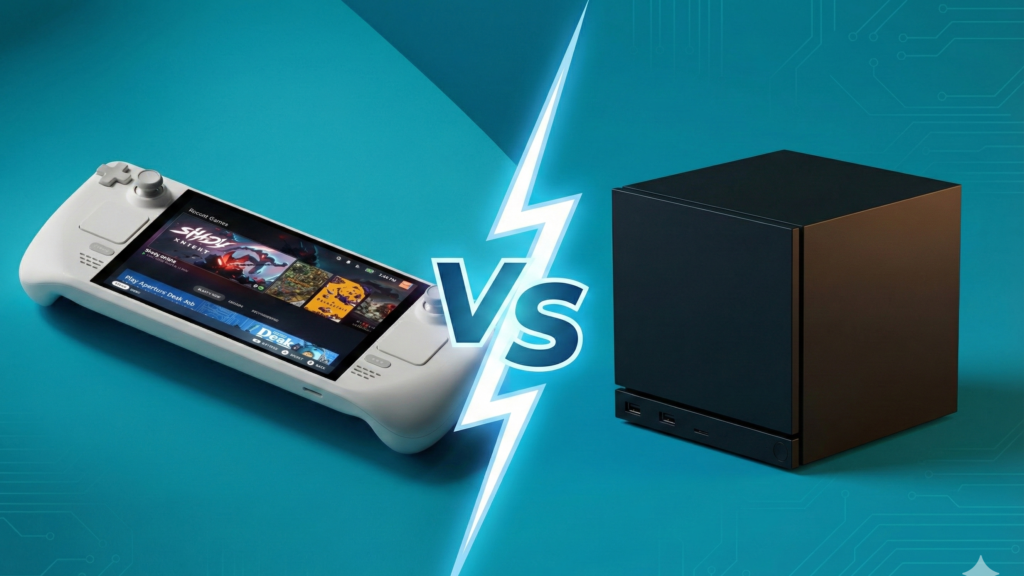
Forget the confusing mess of the 2015 Steam Machines. The new 2026 model (codenamed “Fremont” internally) is a singular, focused device built by Valve itself.
The Design & Specs
Reports indicate the device adopts a compact “Cube” form factor, surprisingly similar to the Nintendo GameCube or Mac Studio. It is designed to fit discreetly under a TV, solving the bulk issue of traditional tower PCs.
- Processor: A custom AMD Zen 4 CPU paired with RDNA 3 graphics.
- Performance Target: Unlike the handheld Steam Deck (720p/800p), this machine targets 4K 60fps using FSR upscaling.
- Power: Early benchmarks suggest it performs comparably to a desktop RTX 4060, putting it in direct competition with the PlayStation 5 Pro.
The “Steam Frame”: VR Finally Goes Standalone
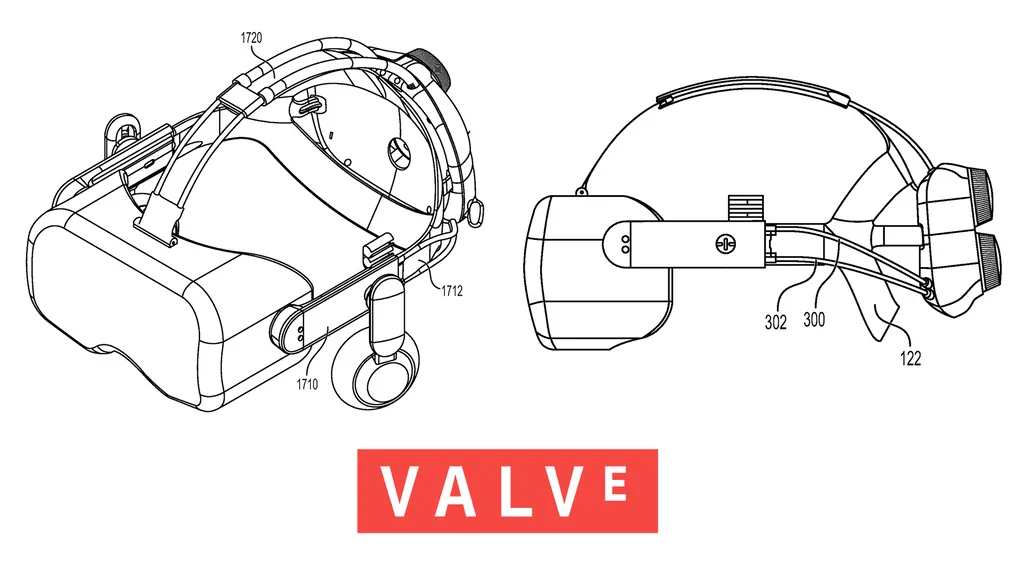
The device formerly known as “Deckard” has been officially titled the Steam Frame. This is Valve’s answer to the Meta Quest 3—a fully wireless, standalone VR headset.
The “killer app” feature? It integrates seamlessly with the Steam Machine. You can run high-fidelity VR games on the console and stream them wirelessly to the headset with near-zero latency, thanks to Valve’s new Wi-Fi 7 streaming protocol.
SteamOS 4: The Secret Sauce
The hardware is impressive, but the software is why this might actually work. The new SteamOS 4 brings a “unified ecosystem” to PC gaming.
- Resume Play Anywhere: Start a game on your Steam Machine in the living room, pause it, and pick up exactly where you left off on your Steam Deck in bed.
- No “Windows Tax”: Because it runs on Linux (Proton), the OS is lightweight and controller-friendly. No keyboard or mouse required.
Comparison: Valve vs. The Competition
How does the new Steam Machine stack up against the current heavy hitters?
| Feature | Valve “Galileo” (Rumored) | PlayStation 5 Pro | Steam Deck OLED |
| Form Factor | Compact Living Room PC (Cube) | Traditional Console | Handheld Hybrid |
| GPU Architecture | AMD RDNA 4 (Custom APU) | AMD RDNA 3 (Custom) | AMD RDNA 2 |
| Operating System | SteamOS 4.0 (Linux Based) | PlayStation OS | SteamOS 3.0 |
| VR Support | Native Wireless (Deckard) | PS VR2 (Wired) | PCVR Streaming |
| Game Library | Steam (50,000+ Games) | PlayStation Exclusives | Steam (Verified) |
| Online Subscription | $0 (Free) | $79.99/year (PS Plus) | $0 (Free) |
| Est. Price | $599 – $799 | $699 | $549 |
The Price Question & Release Date
Valve has confirmed a Q1 2026 launch window, but the price tag remains the biggest mystery.
Industry insiders suggest Valve is fighting a battle against rising RAM prices, which have jumped nearly 200% in late 2025. While analysts initially predicted a $499 sweet spot, the component shortage might push the launch price closer to $599 or $699 for high-storage models.
However, Valve has a history of selling hardware at a loss to get users into the Steam ecosystem. If they can undercut the PS5 Pro, they win.
The Silicon Post Verdict
Should you wait? Yes.
If you are looking for a living room PC, do not build one right now. The Steam Machine promises the “it just works” console experience that PC gamers have wanted for a decade. If the rumors of Half-Life 3 being a launch title are even remotely true, this will be the biggest hardware launch since the Switch.